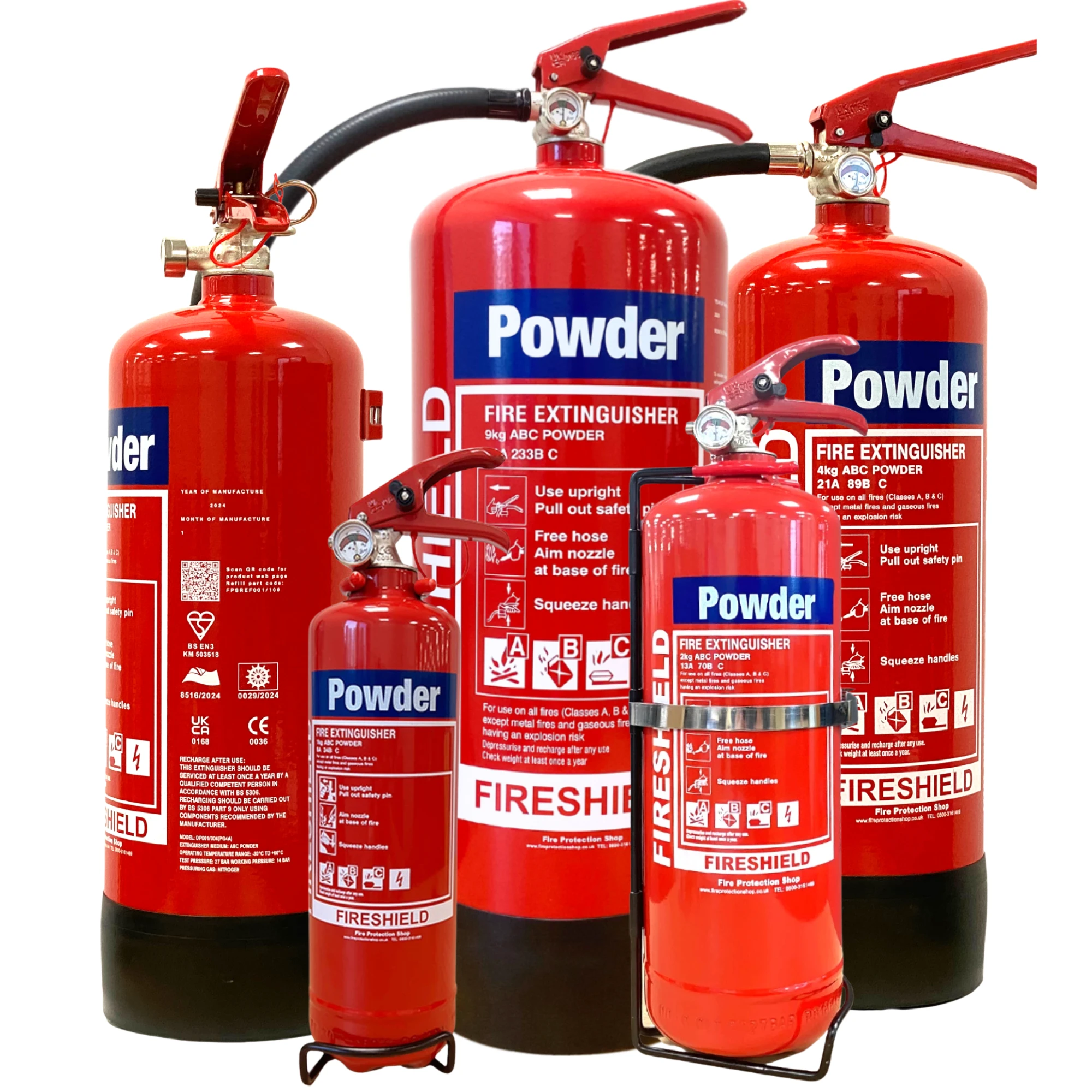
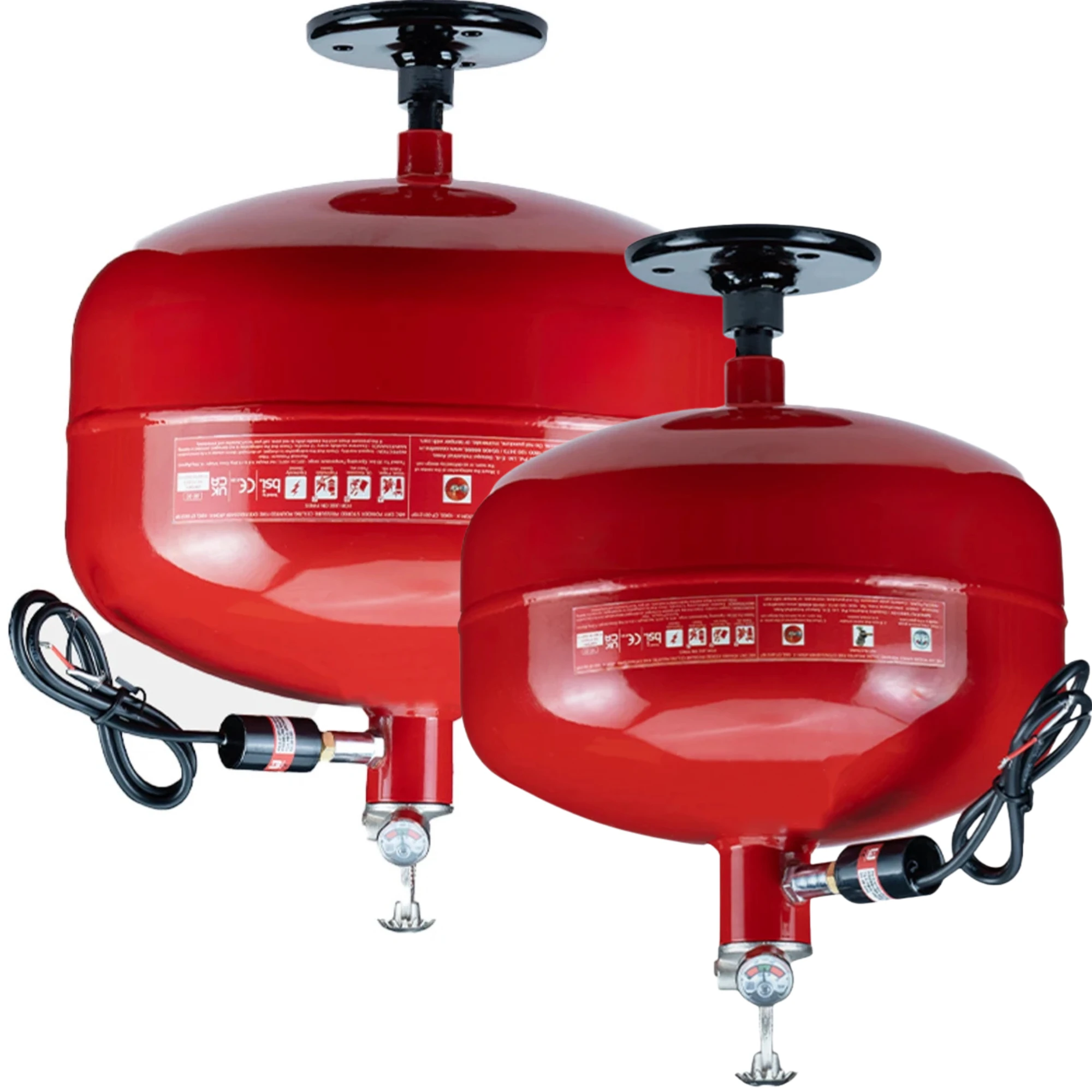
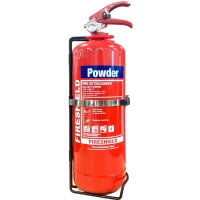
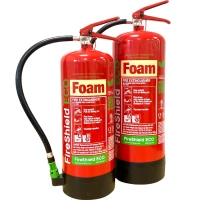
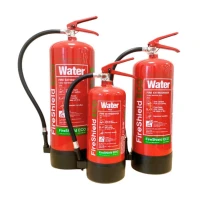
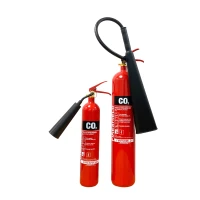
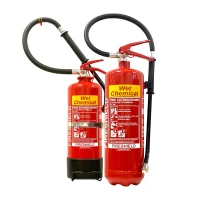
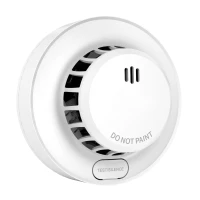
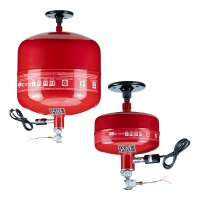
The standard 1kg powder extinguishers typically fitted on narrowboats can be easily upgraded to larger 2kg, 4kg, or 6kg units. A practical option is to install two 2kg extinguishers alongside one larger 4kg or 6kg extinguisher for improved coverage. By comparison, we would always recommend the 2kg powder extinguisher as it offers improved firefighting capability.
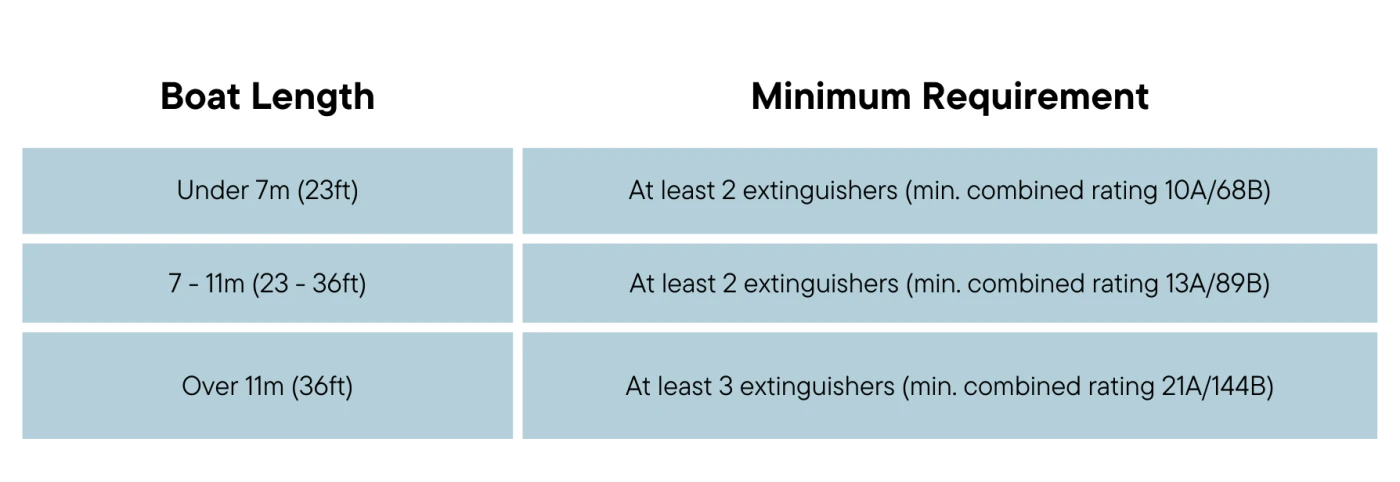
Boat Length | Min Number of Extinguishers | Min Fire Rating of each Extinguisher | Min Combined Fire Rating Extinguishers |
Up to 7m (23ft) | 2 | 5A/34B | 10A/68B |
7m - 11m (23-36ft) | 2 | 5A/34B | 13A/89B |
Over 11m (36ft) | 3 | 5A/34B | 21A/144B |
Fire extinguishers must be readily accessible on your narrowboat. During an inspection, a BSS examiner will expect to find fire extinguishers located near entry and exit points, close to the engine compartment, and in the galley. In the galley, an extinguisher will be deemed unacceptable if it requires you to lean over a cooking appliance to reach it.
The examiner will also check that each extinguisher is correctly labelled and in good condition. Any unit that is damaged or has missing components will be considered non-compliant.
Additionally, extinguishers must carry an approved accreditation mark, most commonly the BSI Kitemark, although other recognised certifications are also accepted under the BSS.
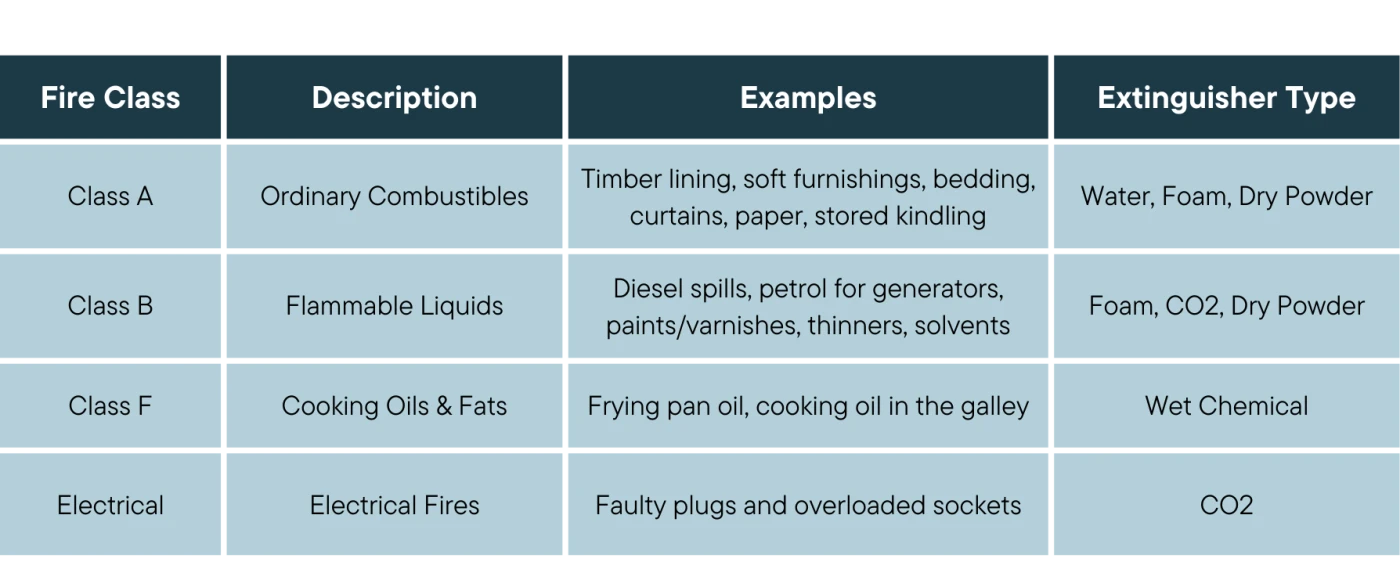
Fire Class | Description | Examples | Extinguisher Type |
|---|---|---|---|
Class A | Ordinary Combustibles | Paper, Wood, Cardboard, Fabrics | Water, Foam and Dry Powder |
Class B | Flammable Liquids | Petrol, Paint, Solvents, Alcohol | Foam, CO2 and Dry Powder |
Class F | Cooking Oils & Fats (Commercial Kitchens) | Deep Fat Fryers, Vegetable Oils | Wet Chemical |
Electrical | Electrical Fires (Faulty Plugs) | Faulty Plugs and Overloaded Sockets | CO2 |
We use cookies to enhance your site experience. Choose your preferences below.