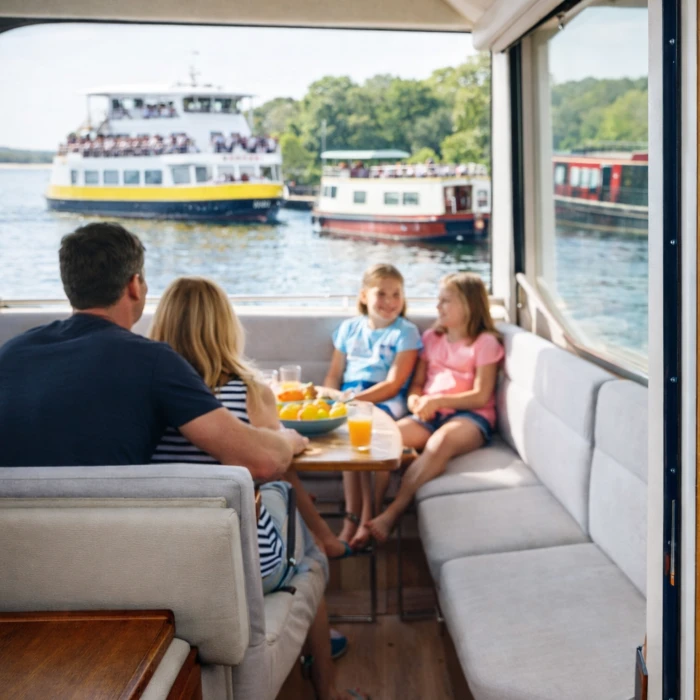
Fire safety on boats is essential for protecting your vessel and the people on board. Boats face unique fire risks, including confined spaces, onboard fuel and electrical equipment, and limited escape routes.
As a supplier of boat and maritime fire safety equipment, here you'll find recommended products, how to choose the right protection for your vessel, and why it's needed.
In the UK, the Boat Safety Scheme (BSS) requires vessels to carry suitable firefighting equipment and make sure it is properly maintained and readily accessible. We are dedicated to helping you stay both safe and compliant.
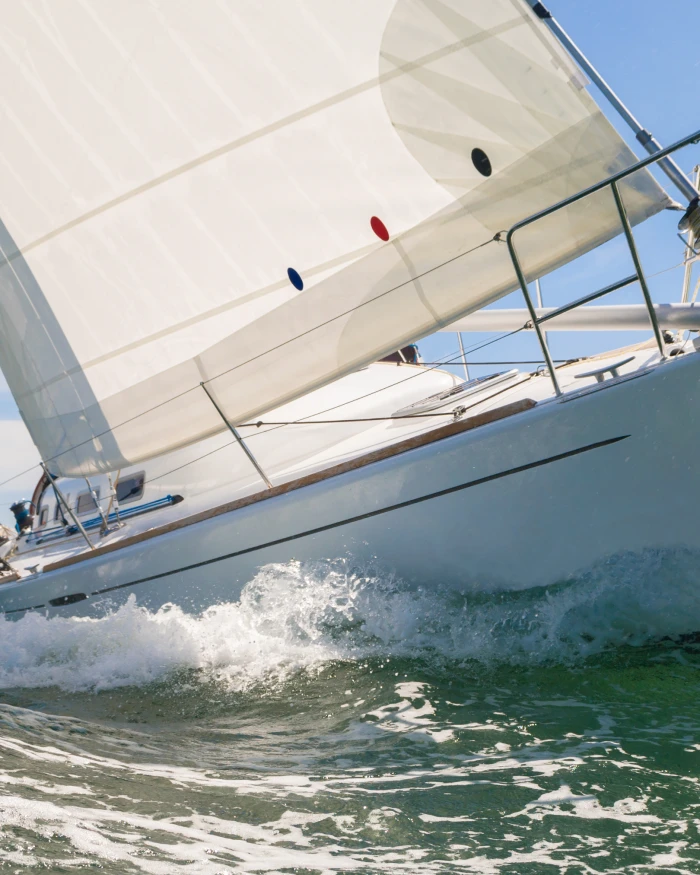
Protect your vessel, passengers and crew with the appropriate fire safety equipment.
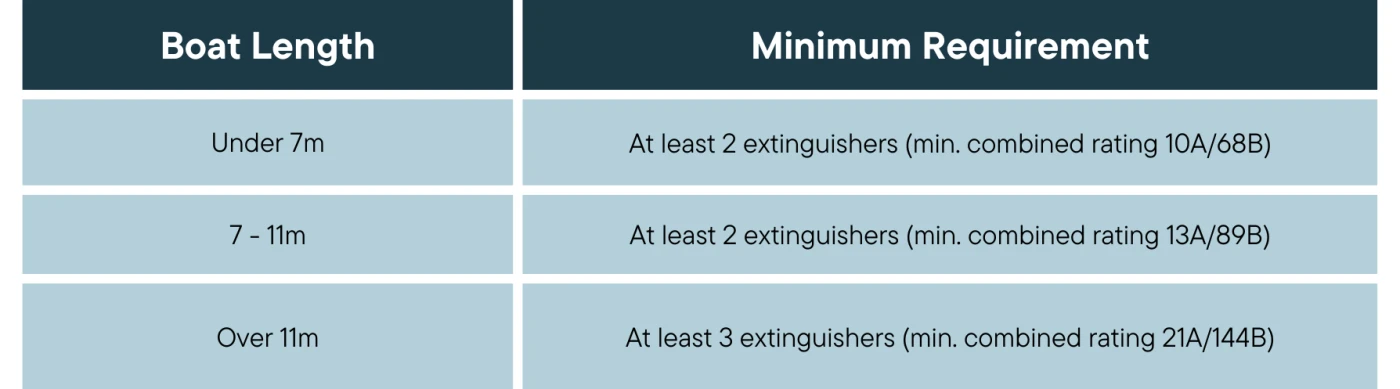
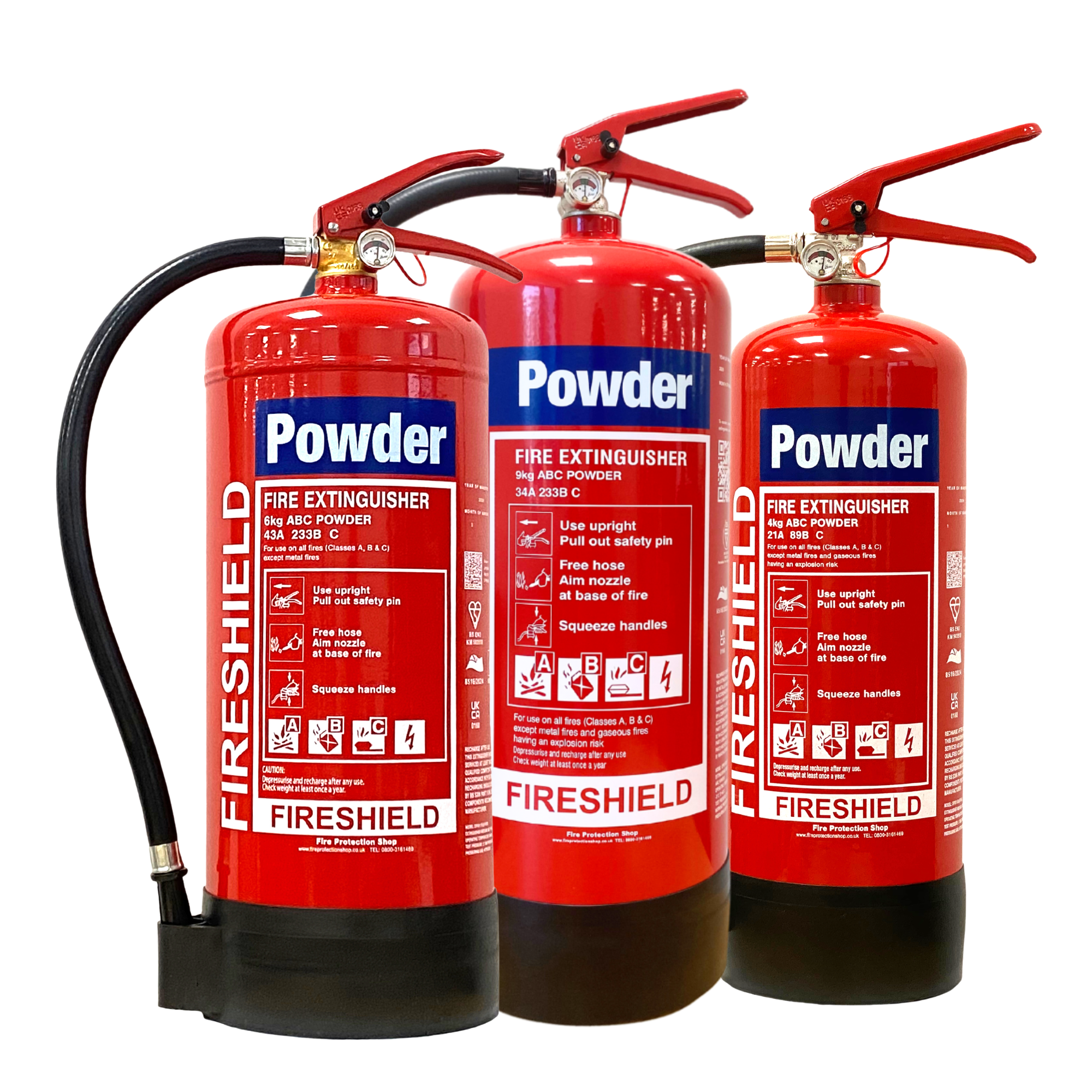
To meet Boat Safety Standards (BSS), boats fitted with engines or with cooking, heating, refrigeration, or lighting equipment must carry the minimum number of portable fire extinguishers outlined in the table below.
Each portable fire extinguisher should have a fire rating of 5A/34B or higher.
A small, open boat with no cooker or engine only requires a single 5A/34B rated fire extinguisher.
Remember: while these minimum requirements are based on boat length, they may not cover all fire risks. Consider additional or higher-rated extinguishers if your boat has extra equipment or unique features.
Supporting equipment we recommend to improve overall fire safety.
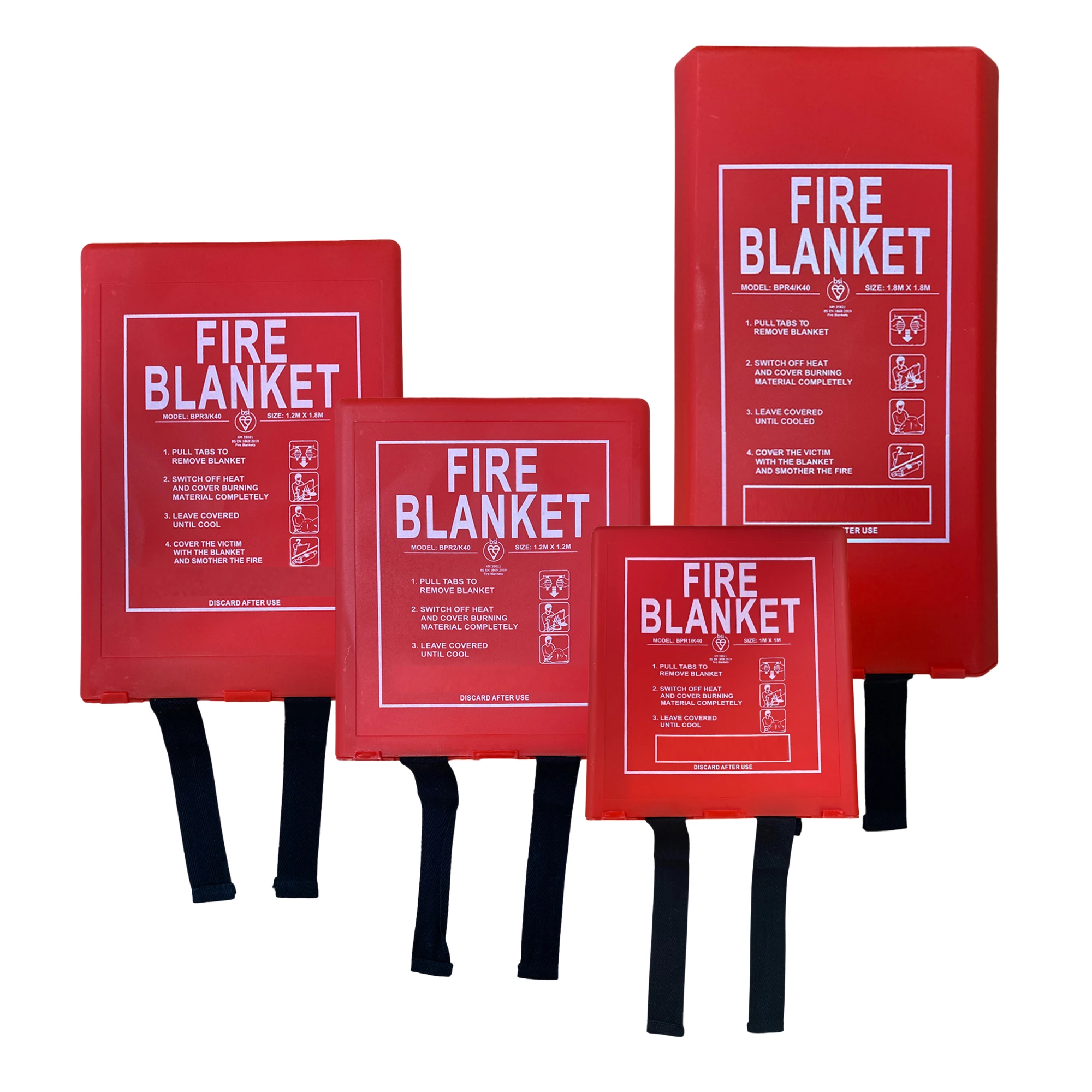
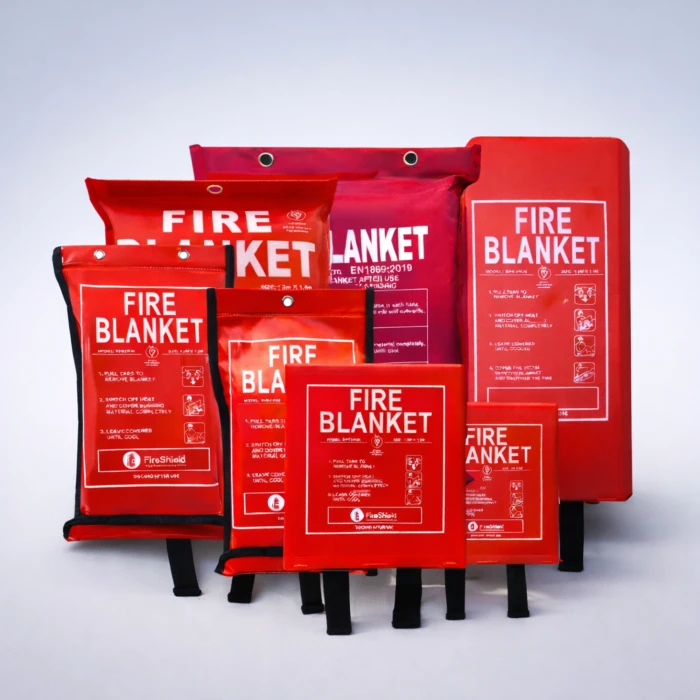
In any environment, a fire blanket can be a life-saving addition to your fire safety procedures, and marine environments are no exception. Fire blankets are made of durable, flame-retardant materials and function by smothering the fire, starving it of oxygen and preventing it from spreading.
Fire blankets are stored in convenient, compact cases that are easy to store and can be quickly deployed in an emergency. No matter what kind of fire extinguisher you use on your boat, you should always have access to a fire blanket.
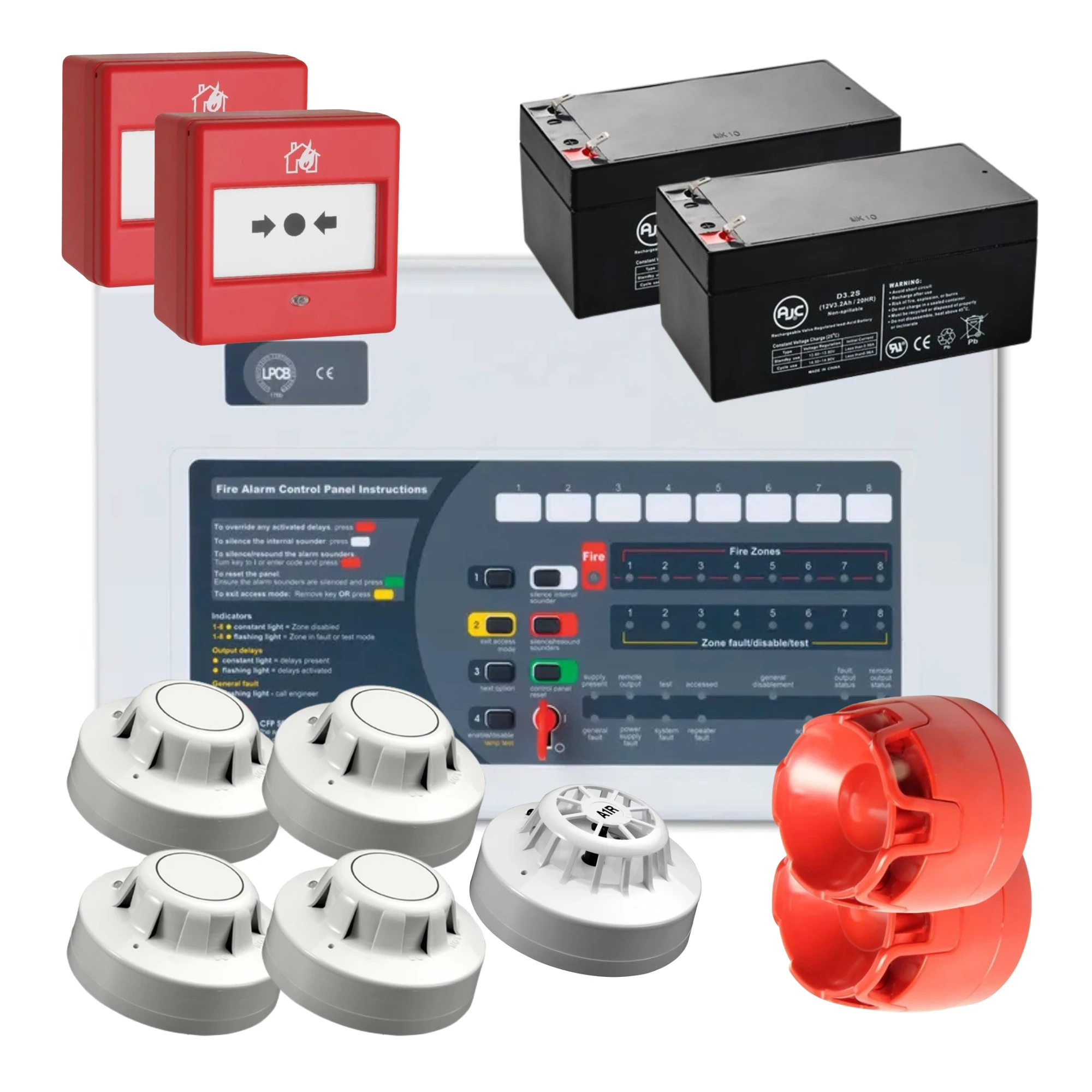
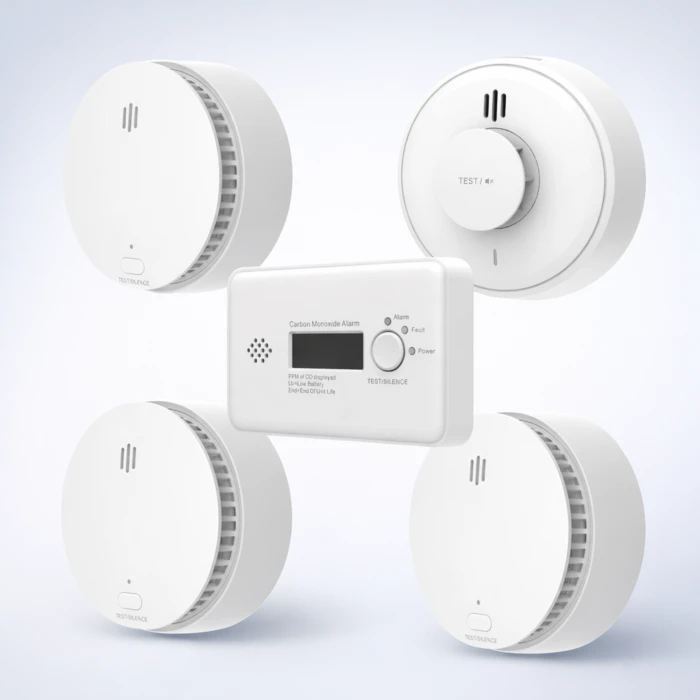
Different types of fire risks exist on board, which require different types of detection. Smoke alarms are commonly used in cabins and living areas, whereas heat alarms are commonly used in engine and machinery spaces, where the smoke could provide a false alarm. Carbon monoxide alarms protect against invisible exhaust gases and can be found in sleeping areas and near fuel-burning appliances.
On larger vessels, these can be linked to a central alarm and automatic fire detection system, ensuring greater safety and communication for everyone on board.
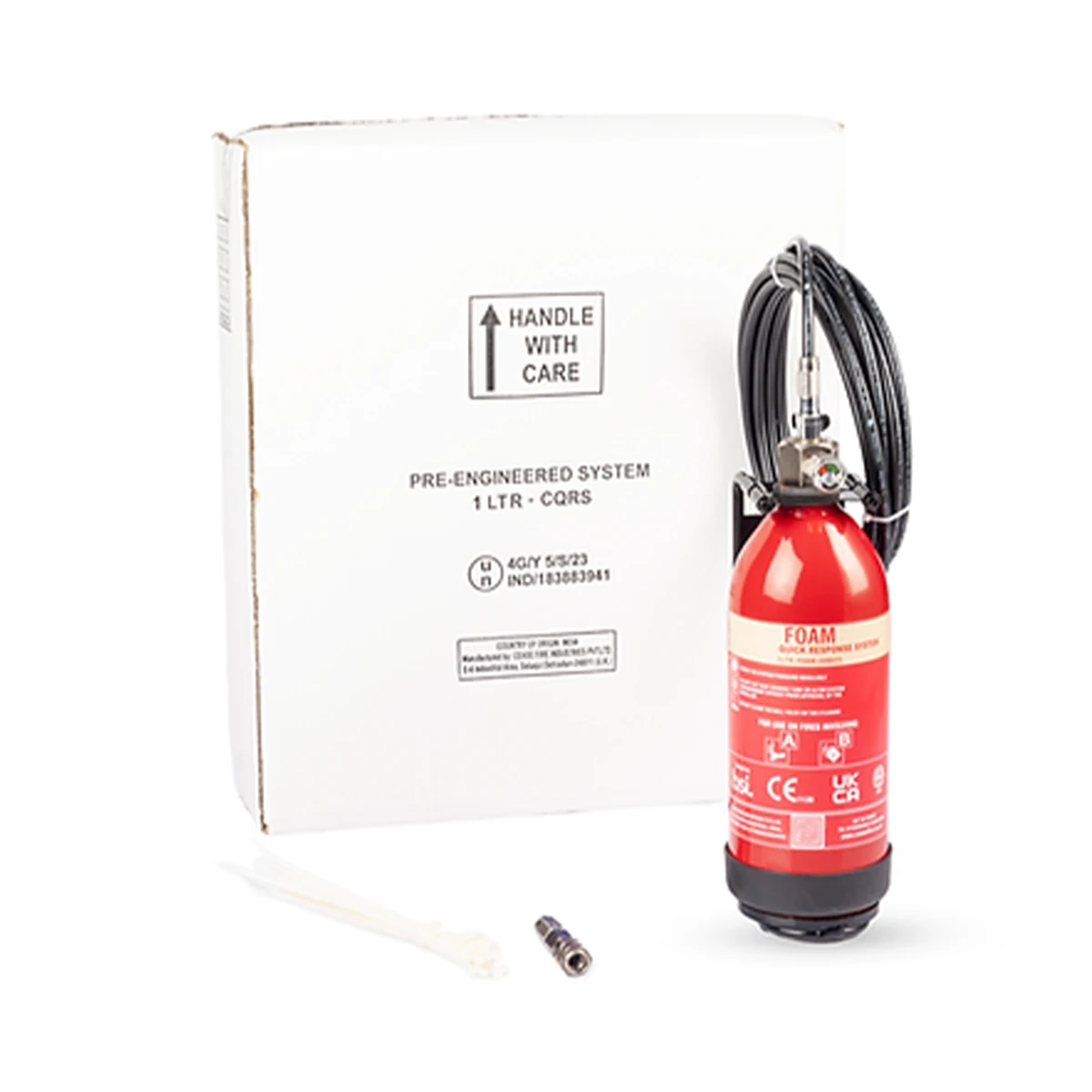
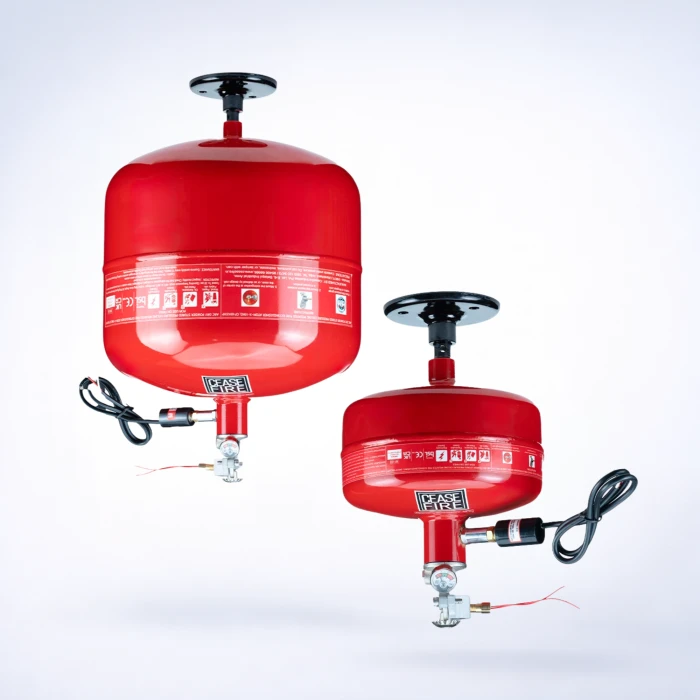
On larger vessels, fires often start in engine or fuel rooms, where access can be limited, crews can't easily reach the fires, and help can be miles away. Suppression systems offer 24/7 automatic protection. They detect fires early, extinguish without human intervention, and can stop fires from spreading and causing further damage.
These systems buy time, control and survival when escape and combating the fire isn't immediately possible.
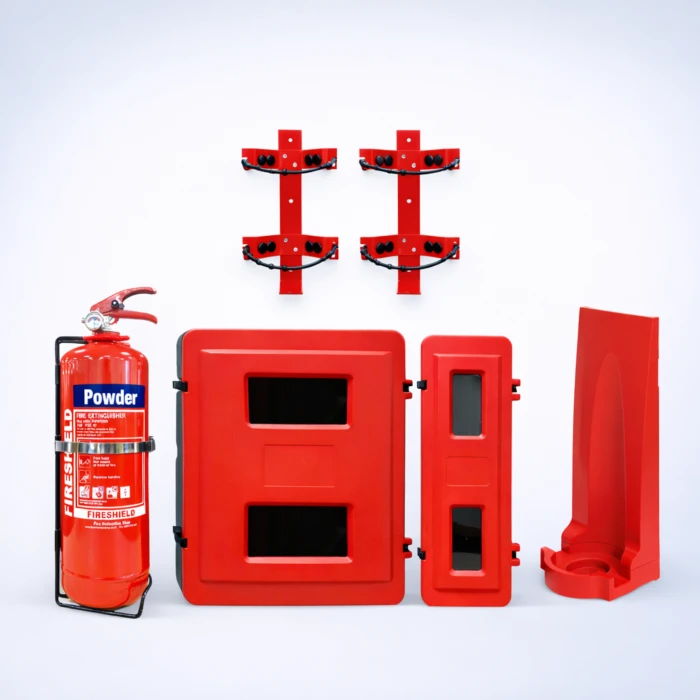
Many fire extinguishers are designed to be mounted on the wall, ensuring that they don’t move around during transit. Most are supplied with mounting brackets, making installation straightforward. You should also ensure that you keep fire extinguishers away from engines and fuel tanks, and when choosing a place to store your fire extinguishers, avoid the water! Salt water can cause corrosion, which reduces their lifespan.
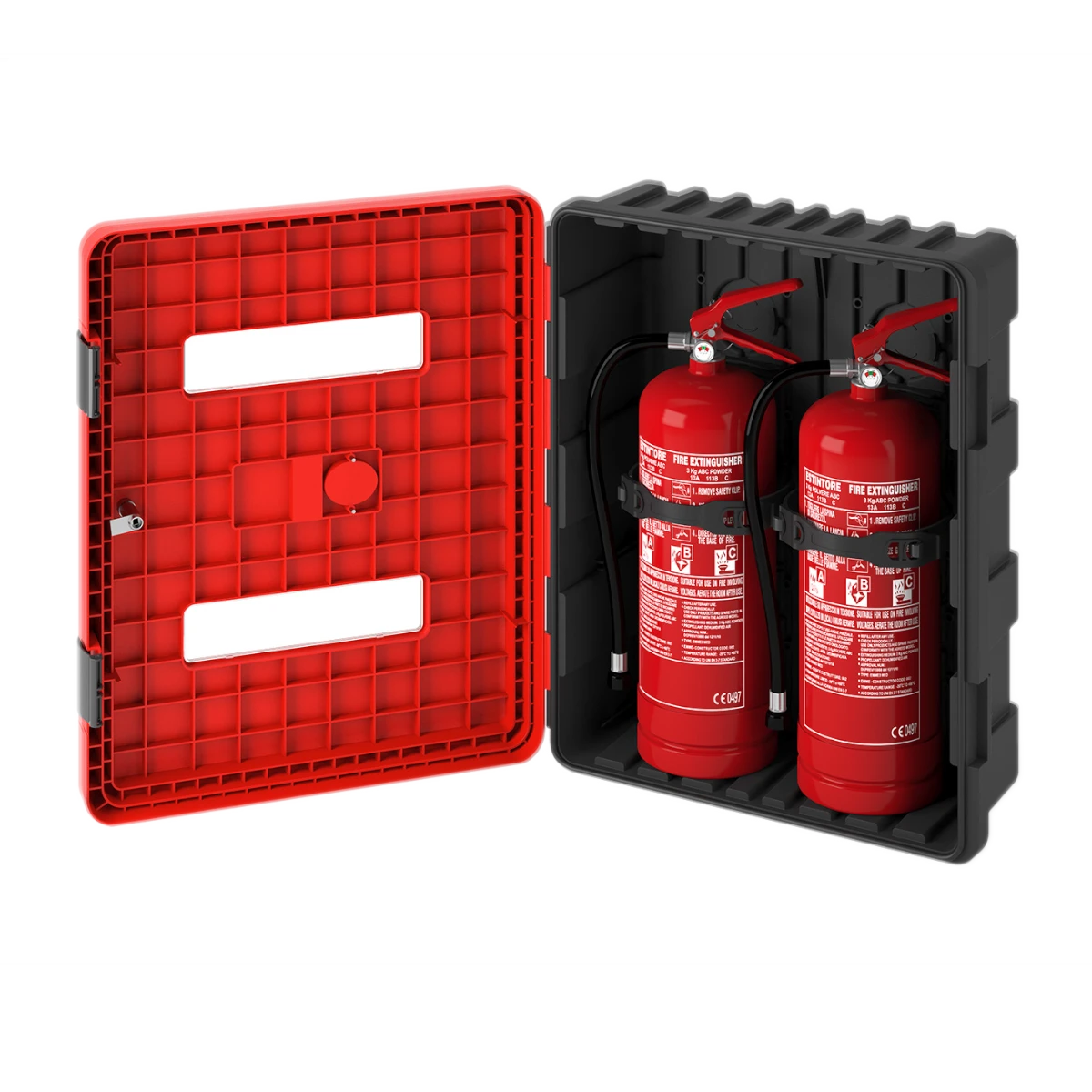
In addition to standard wall brackets, we also offer alternative storage options, such as cabinets, stands, and transport brackets, to suit different vessels.
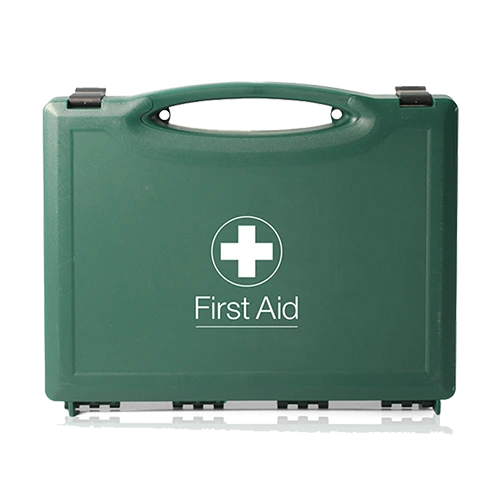
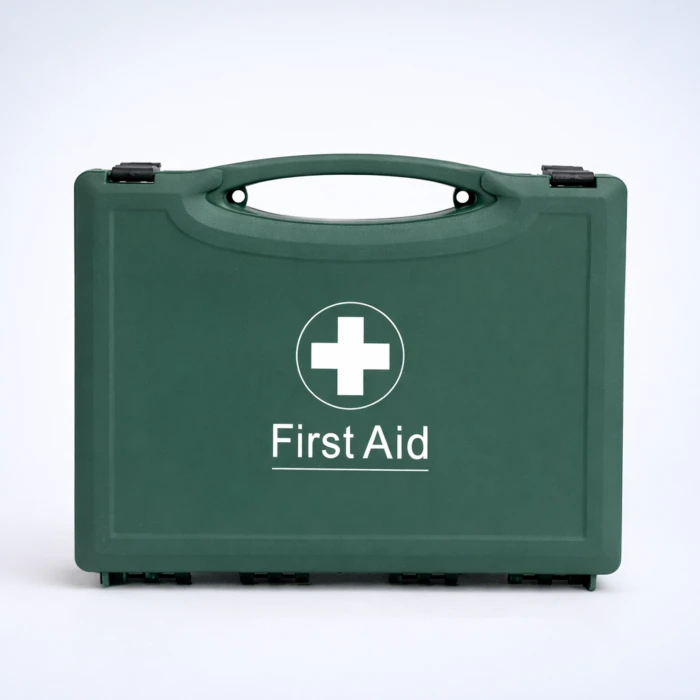
First aid kits are strongly recommended for boats, as even minor injuries can become serious at sea. Slips, cuts, burns, seasickness and equipment-related injuries happen often on moving vessels, especially during difficult conditions.
A well-stocked first aid kit allows for immediate treatment, prevents infection and can stabilise someone until professional medical assistance is available.
The Marine Equipment Directive (MED), originally an EU directive (2014/90/EU), governs the standards and certification of marine equipment used on ships flying the flag of an EU member state. Following Brexit, the UK established its own framework, which mirrors many aspects of the EU MED but operates independently.
In the UK, marine equipment intended for use on UK-flagged vessels must meet the requirements of the UK Marine Equipment Regulations. These regulations are enforced by the Maritime and Coastguard Agency (MCA), and approved products receive the UK Conformity Mark (Red Ensign mark), indicating compliance with UK standards.
Fire-related incidents are a serious risk on boats, with an average of 89 accidents and injuries occurring each year. Fires on privately owned boats also result in at least three deaths annually, highlighting how quickly onboard fires can become dangerous.
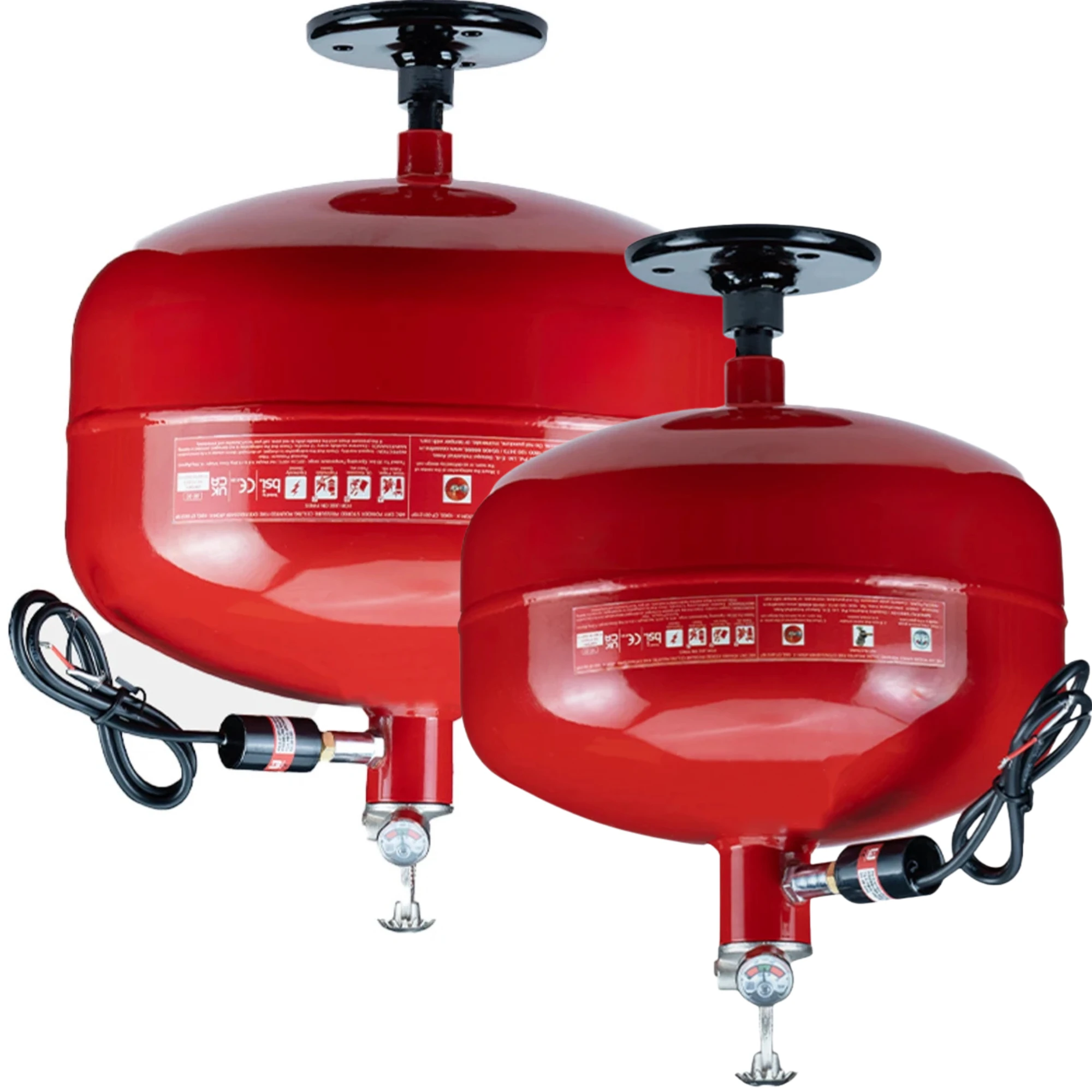
Many areas of a boat are very challenging to extinguish. For example, areas like the boat's engine compartment. Due to the compact size of these compartments, reaching and tackling a fire is extremely difficult. However, in these instances, automatic fire extinguishers are your best choice.
Automatic fire extinguishers are extremely useful for boat fires. They utilise a heat-sensitive bulb which, when burst, will expel the extinguishing agent over the fire. This refuses oxygen to enter the space, therefore extinguishing the fire.
There are various fire hazards present on boats. In particular, boats will typically have:
Flammable liquids, including fuel, oil and propane.
Electrical equipment. On most boats, electrical equipment will bring a multitude of fire hazards.
Cooking facilities present a fire risk due to the presence of hot oils and fats.
All of these fire hazards should encourage extra fire safety precautions. Some boat fire safety products are essential, whereas others are highly recommended. For example, with cooking fires, we recommend the presence of a fire blanket. Often, this is the best way to tackle small Class F fires.
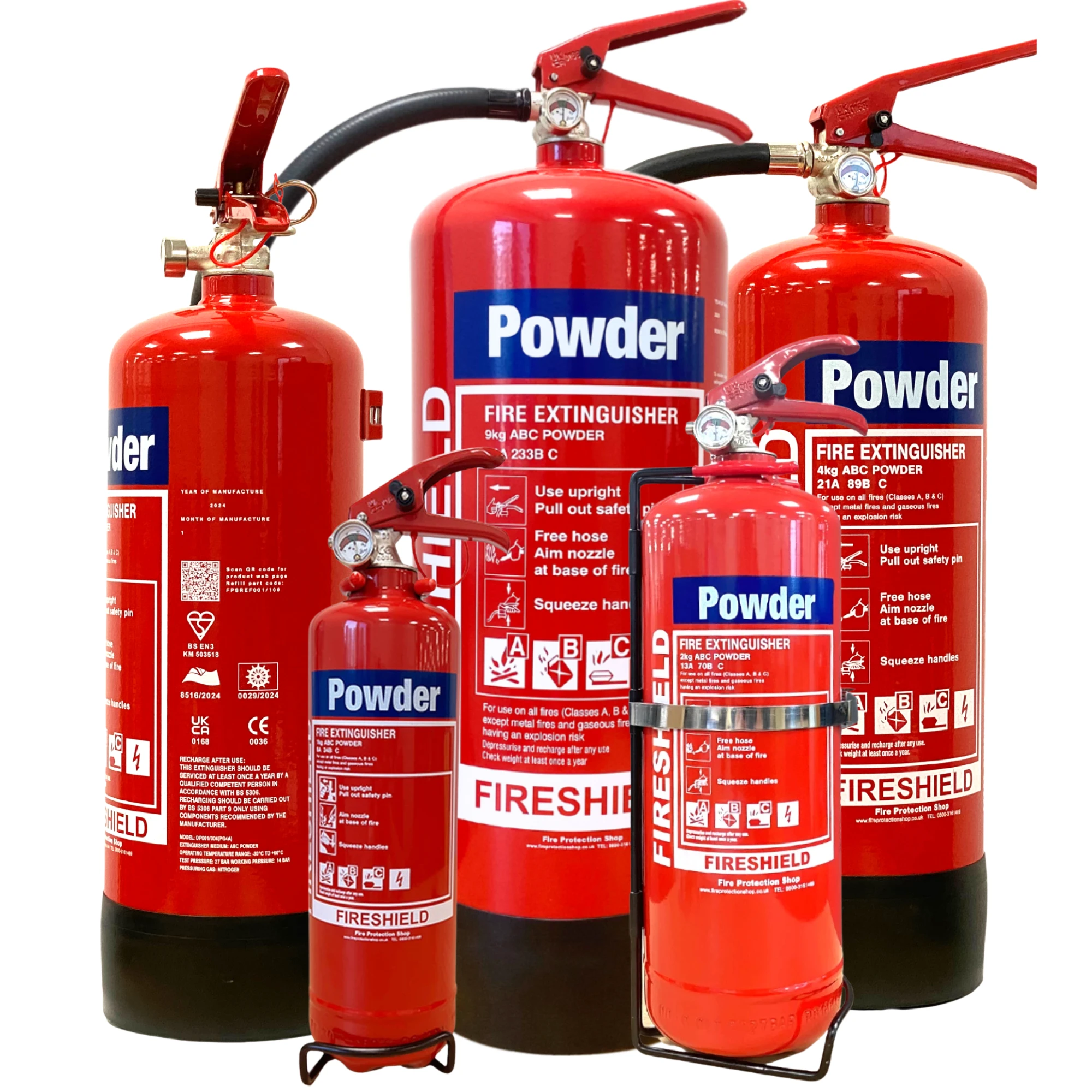
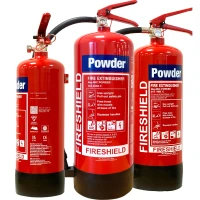
When fighting fires on a boat, you need to consider versatility. Given that dry powder fire extinguishers are known for being multi-purpose, they are extremely versatile. A dry powder fire extinguisher is extremely effective at fighting Class A, B and C fires. They are also able to tackle electrically started fires.
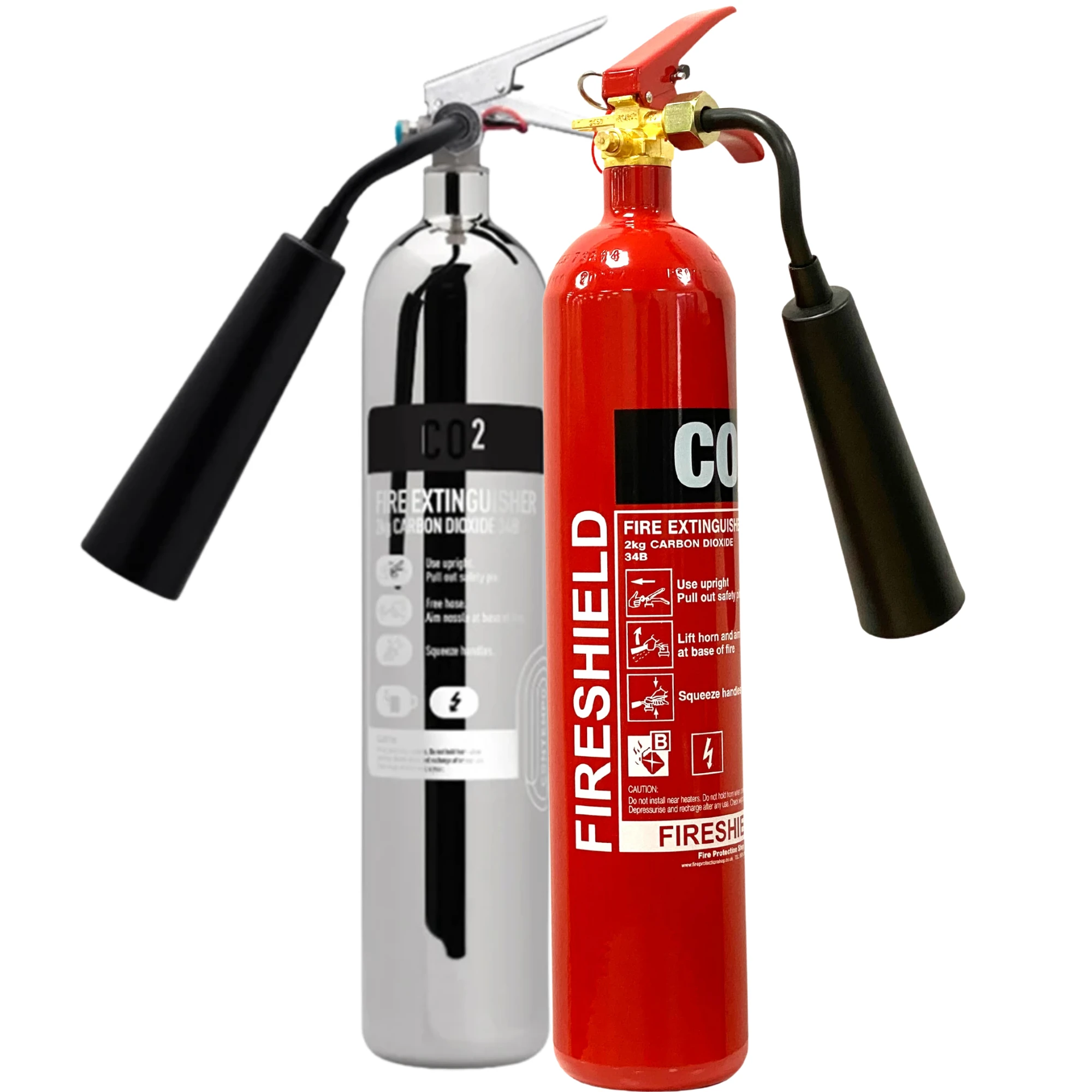
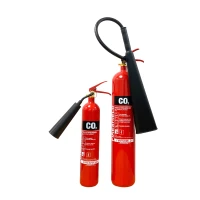
Modern boats will often use electronic equipment. With electrical fires being a fire risk, we suggest carrying CO2 fire extinguishers. These fire extinguishers use CO2 to displace oxygen. This separates the fire from the fuel source.
CO2 fire extinguishers are typically very compact, making them easy to store. In addition, CO2 fire extinguishers can tackle Class B fires resulting from flammable liquids. A classification of fire that is common on boats and other marine environments.
Some areas of your boat, such as the engine compartment, are difficult to access regularly. Fires in these areas are often impossible to reach in time. When you discover a fire in an engine compartment, it's often too late to prevent serious damage. That’s why automatic fire extinguishers are invaluable in marine environments.
FireShield automatic fire extinguishers feature a heat-sensitive bulb. When that bulb reaches the target temperature, it breaks and triggers the fire extinguisher. By focusing on engine heat, the fire can be extinguished before it has the chance to even get started.
On board large marine vehicles, you may well need additional firefighting power. Maybe more than a portable fire extinguisher can provide. This is especially true on large ships and oil rigs. In this case, a wheeled fire extinguisher is an extremely effective solution.
Our FireShield wheeled fire extinguishers are large enough to tackle industrial-sized fires but their trolleys allow them to be easily used by a single person. For large boats and ships, a MED-certified, wheeled dry powder fire extinguisher is an essential piece of fire safety equipment.
Many fire extinguishers are designed to be mounted on the wall. This ensures that they don’t move around during transit. You should also ensure that you keep fire extinguishers away from engines and fuel tanks. Lastly, when choosing a place to store your fire extinguishers, avoid the water! Salt water, can cause corrosion which reduces their lifespan.
A. The number of fire extinguishers required for your boat will depend on a number of factors, including the size of the boat and the types of fire hazards present.
A. Boat fires can commonly be caused by electrical faults, fuel-related issues, overheating engines, and improper use of flammable materials.
A. It is generally not recommended that you use water to attempt to extinguish a fire on a boat. Many boat fires involve electrical equipment or flammable liquid, both of which are extremely dangerous if tackled with water.
A. Your fire extinguishers should be mounted securely on wall brackets near to high-risk areas. You should ensure that you don’t obstruct any walkways and keep your extinguishers away from heat sources.
We use cookies to enhance your site experience. Choose your preferences below.