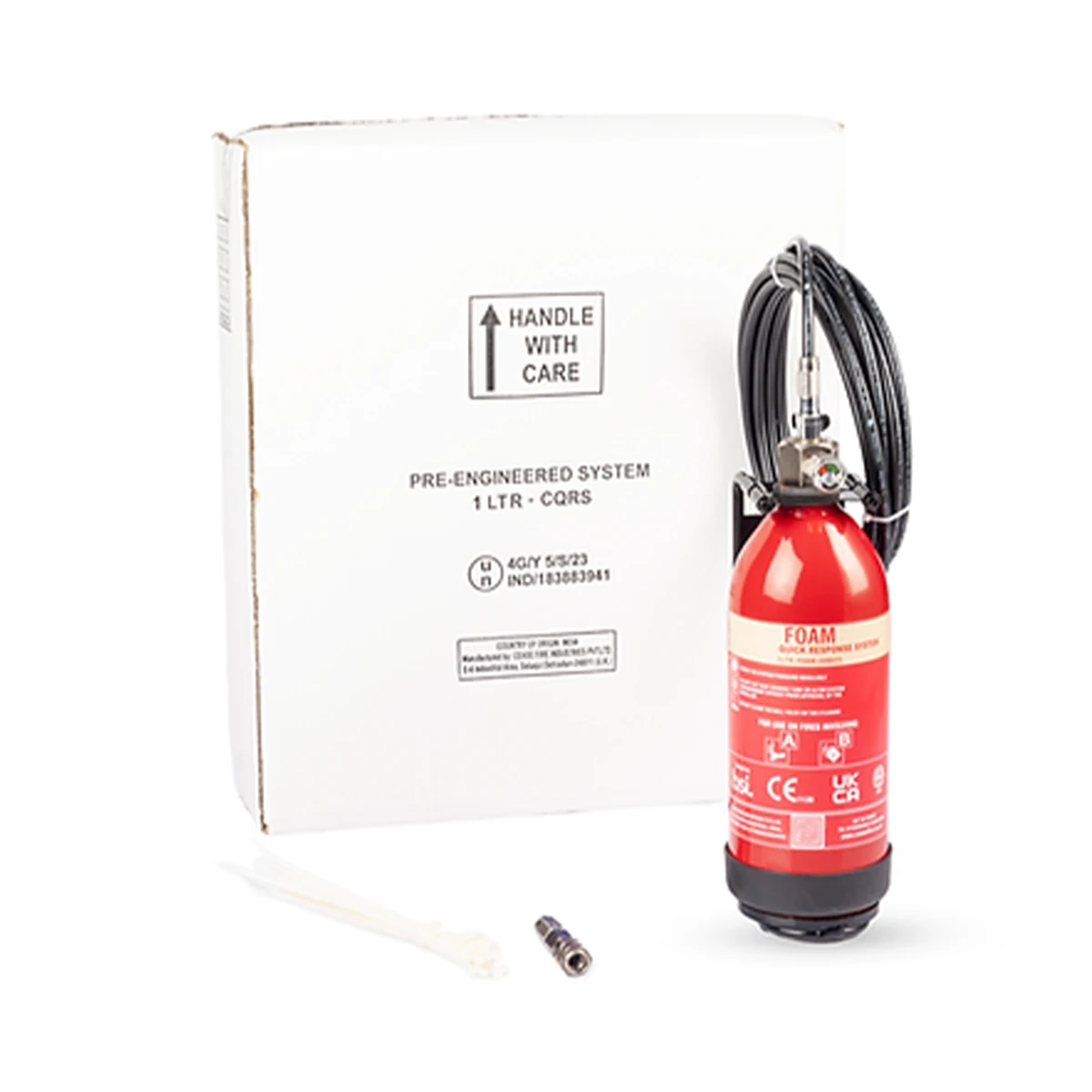
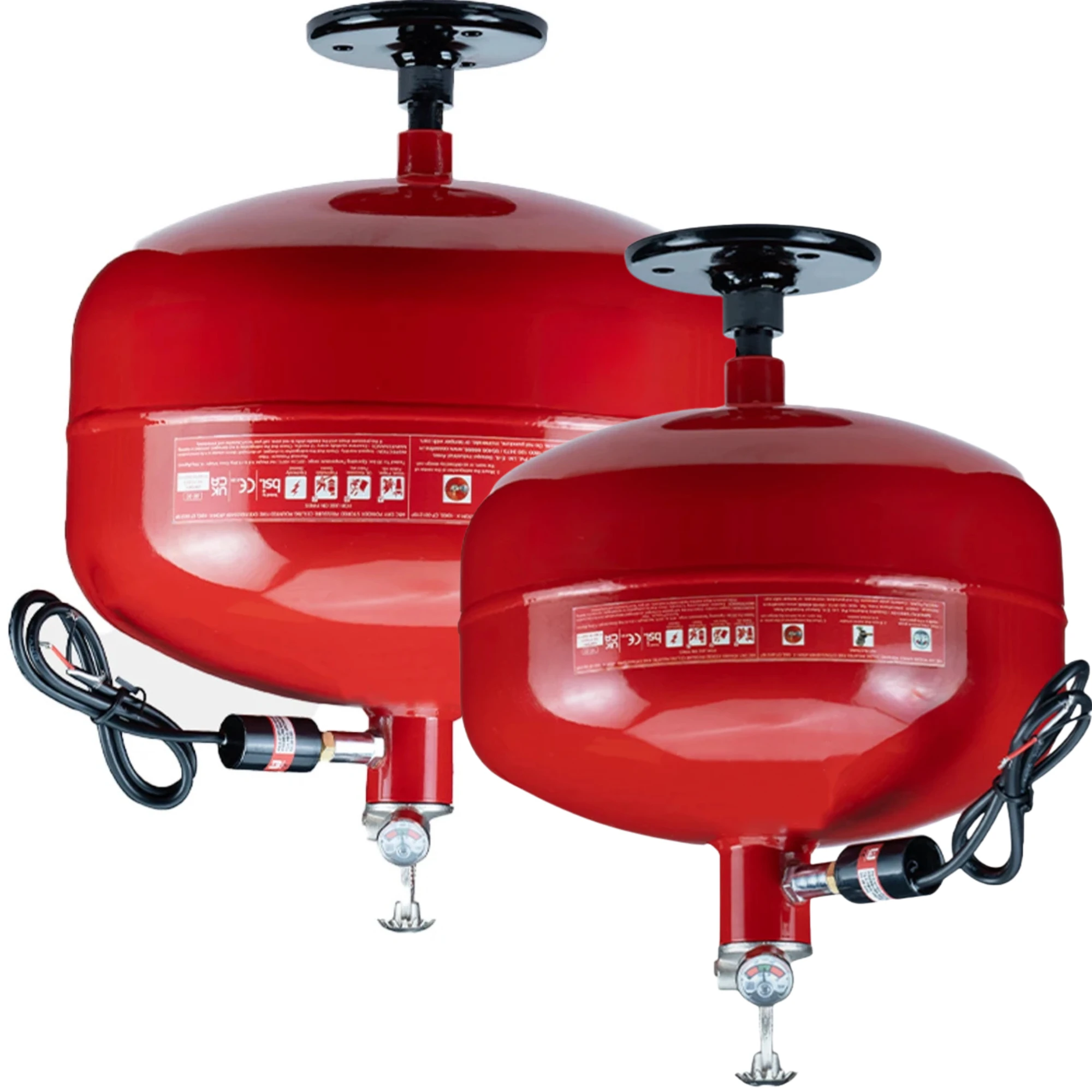
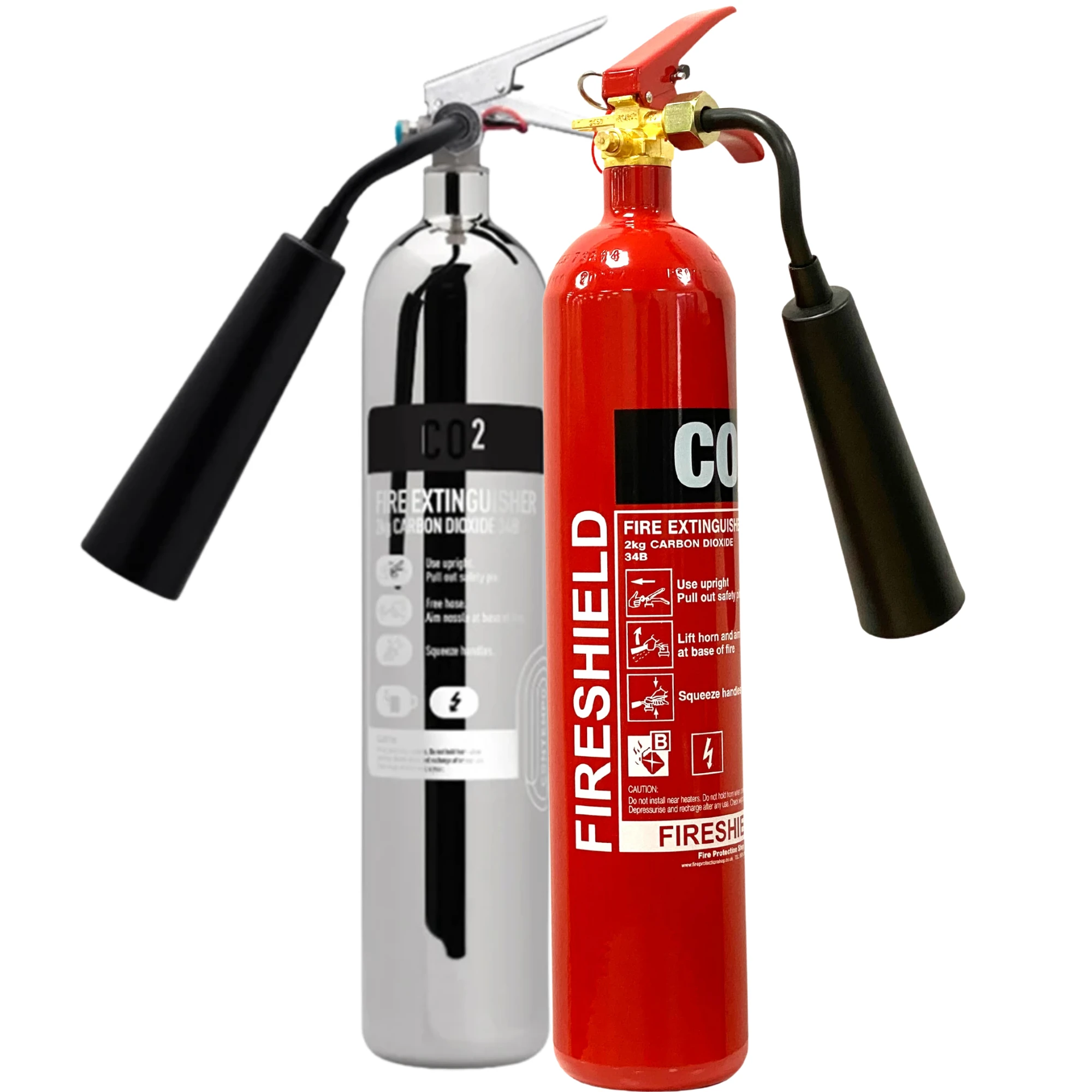
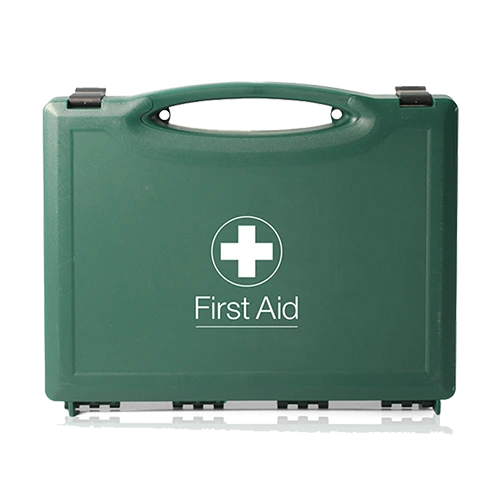
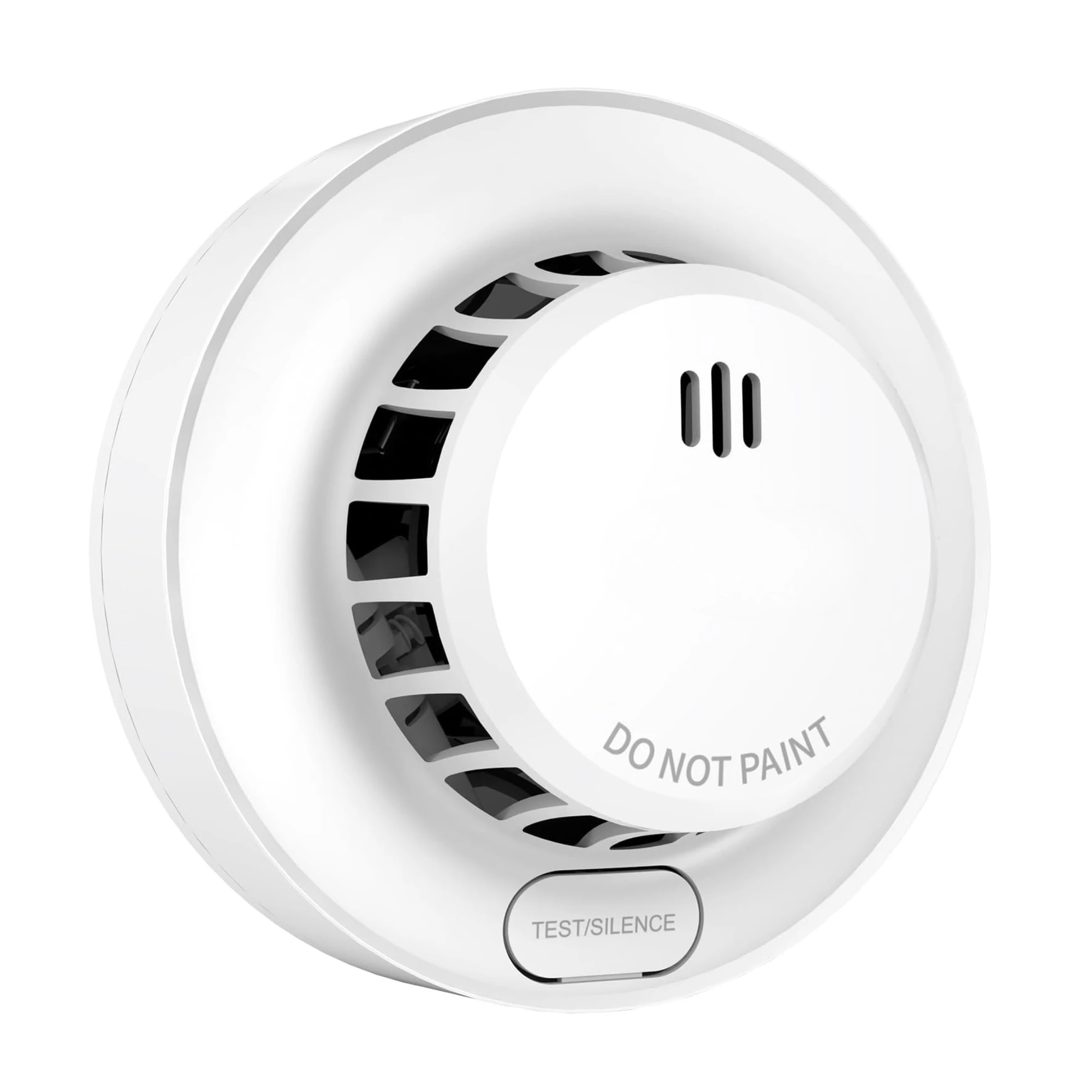
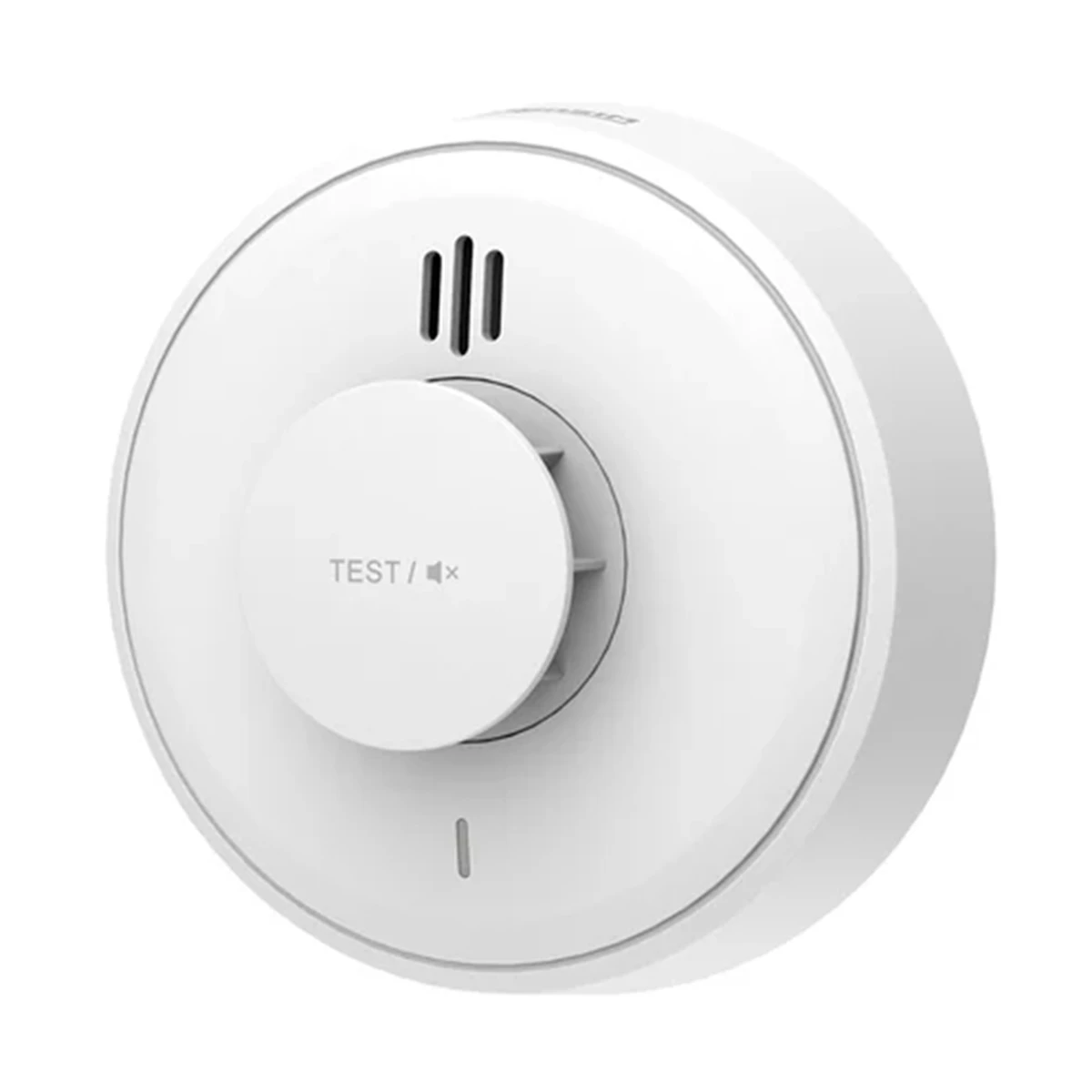
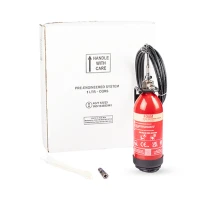
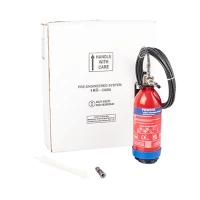
Due to these vessels carrying passengers, we recommend that these boats install an automatic suppression system when covering engine fire risks. Automatic systems provide 24/7 unmanned protection suitable for small compartments which are difficult to access.
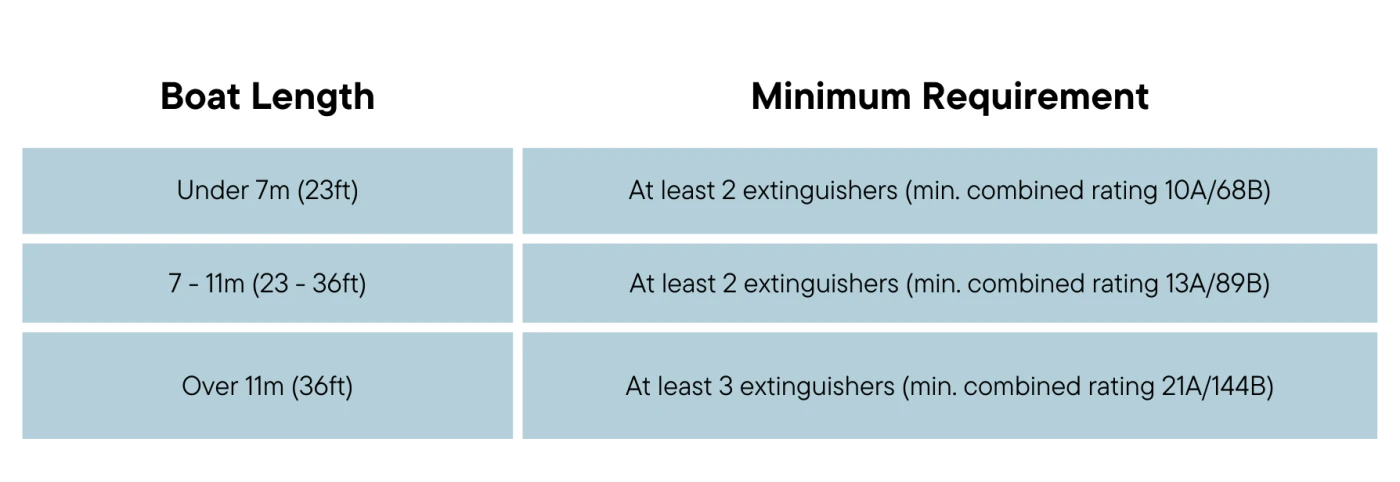
Boat Length | Min Number of Extinguishers | Min Fire Rating of each Extinguisher | Min Combined Fire Rating Extinguishers |
Up to 7m (23ft) | 2 | 5A/34B | 10A/68B |
7m - 11m (23-36ft) | 2 | 5A/34B | 13A/89B |
Over 11m (36ft) | 3 | 5A/34B | 21A/144B |
The requirements outlined in Part 6 of the 2002 Boat Safety Scheme Standards are compulsory for non-private vessels.
In the event of a fire on board, fire extinguishers must be quick and easy to access. They should be positioned in accessible locations close to the main fire risk areas, such as the engine compartment and the galley.
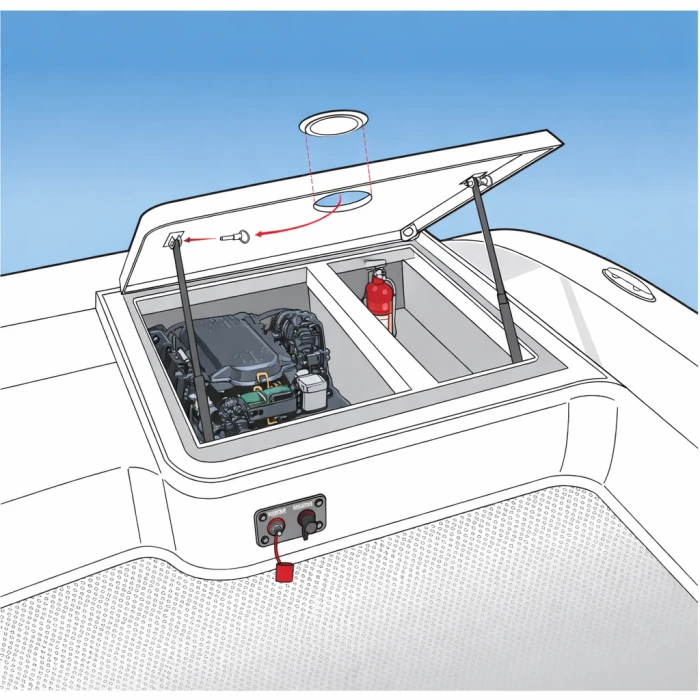
If a fire starts in an engine space, and extra air enters, this can cause the fire to intensify rapidly. To minimise this risk, any portable extinguisher intended for engine-space protection should be positioned in a space where you aren't required to fully open the main engine hatch or access panel. Important to note, we highly recommend an automatic system for engine spaces to avoid needing human input.
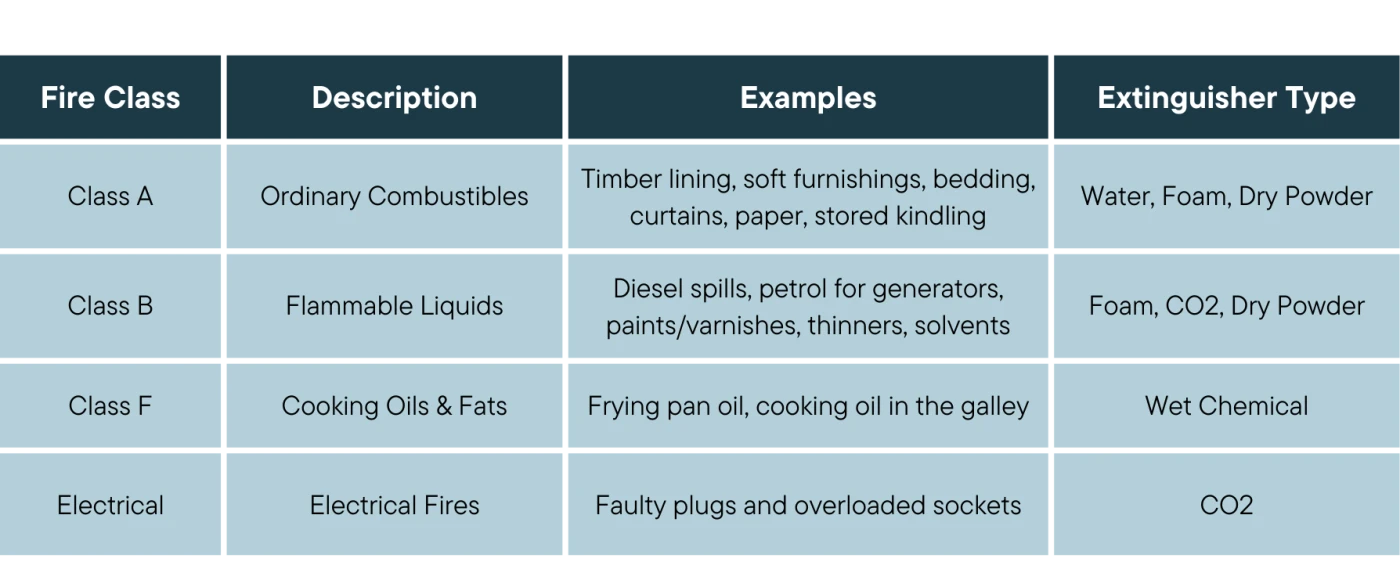
Fire Class | Description | Examples | Extinguisher Type |
|---|---|---|---|
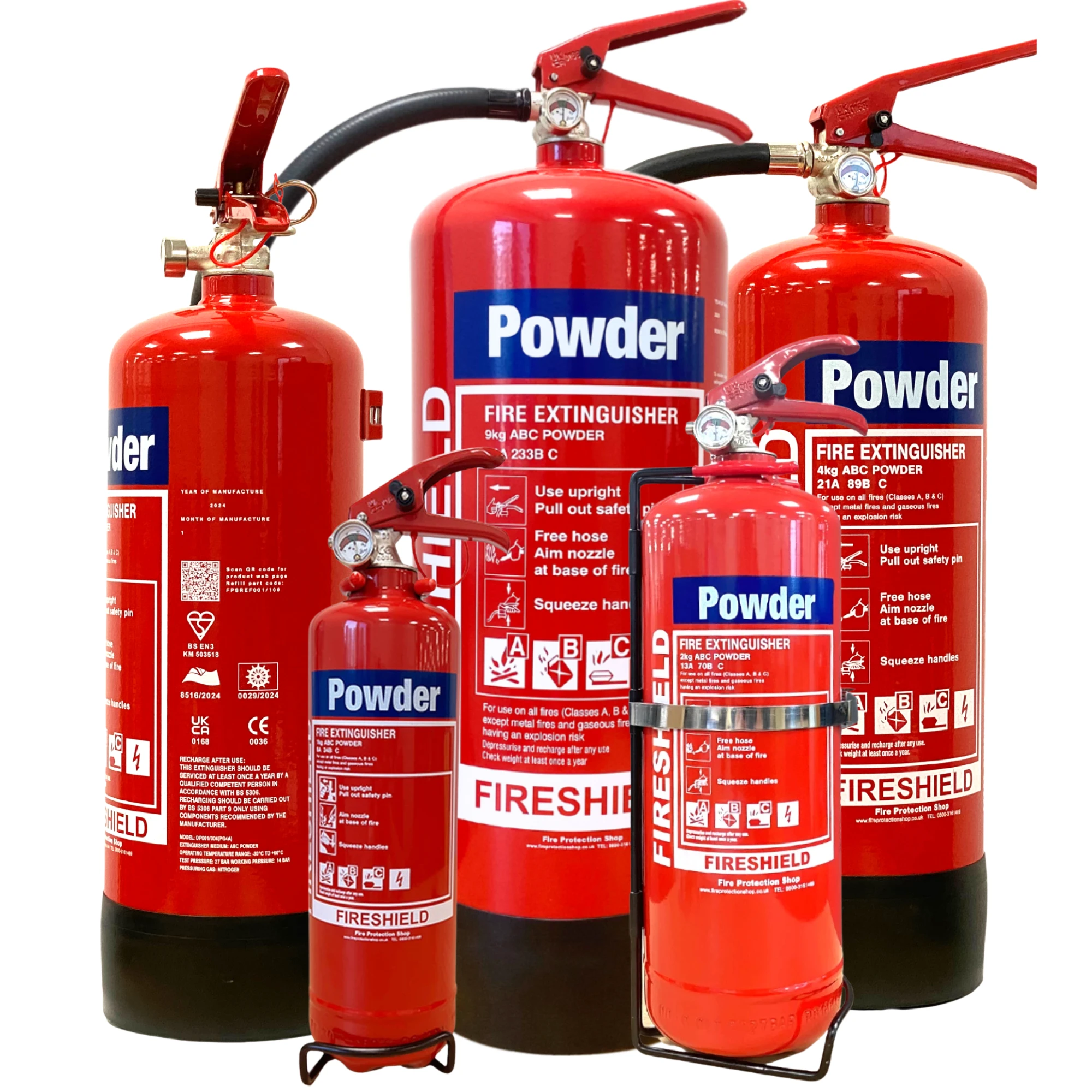
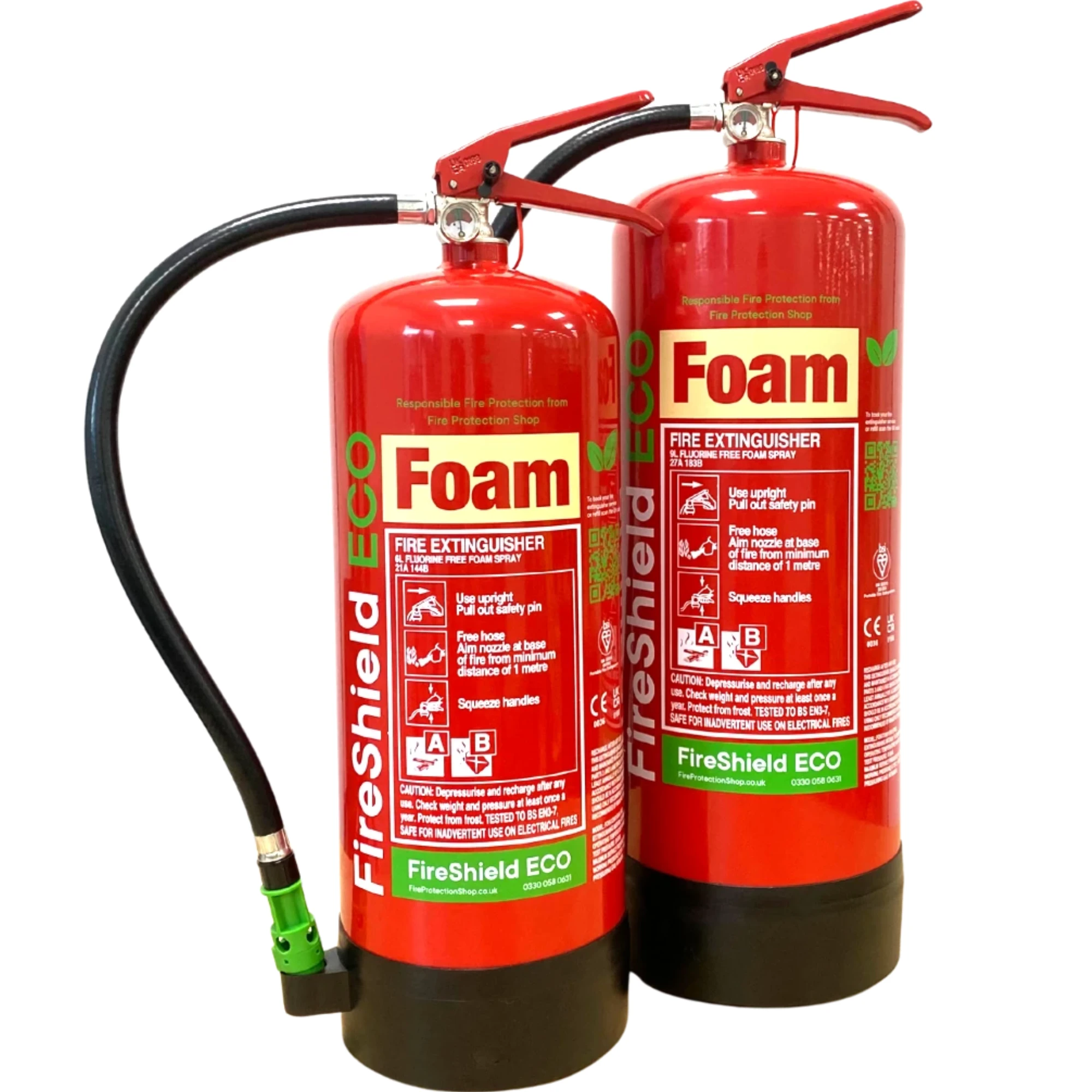
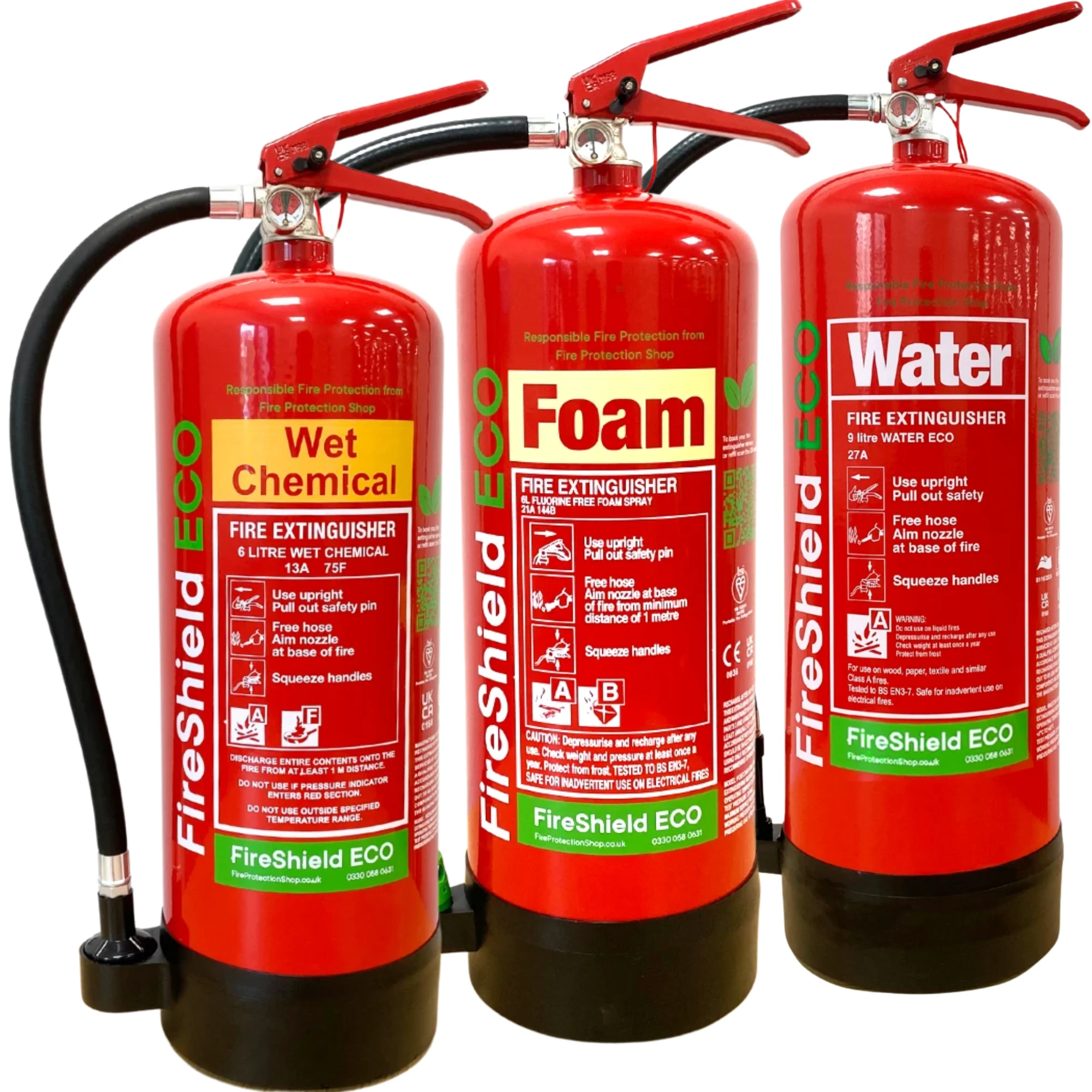
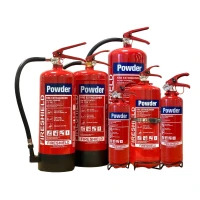
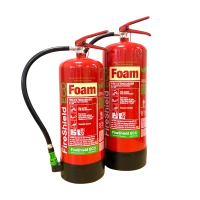
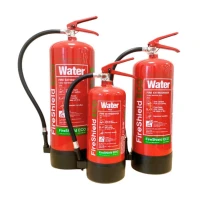
Class A | Ordinary Combustibles | Paper, Wood, Cardboard, Fabrics | Water, Foam and Dry Powder |
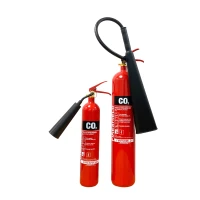
Class B | Flammable Liquids | Petrol, Paint, Solvents, Alcohol | Foam, CO2 and Dry Powder |
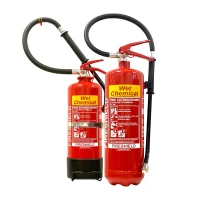
Class F | Cooking Oils & Fats (Commercial Kitchens) | Deep Fat Fryers, Vegetable Oils | Wet Chemical |
Electrical | Electrical Fires (Faulty Plugs) | Faulty Plugs and Overloaded Sockets | CO2 |
We use cookies to enhance your site experience. Choose your preferences below.